
Description
Reliable Soil Testing with Proctor Compaction Apparatus by SV Technocrats India
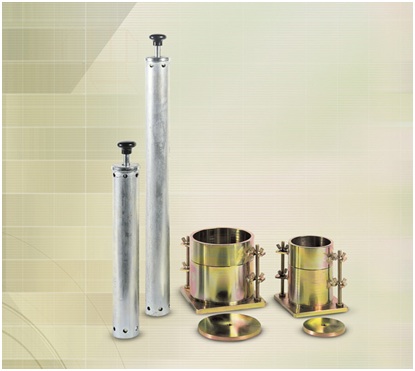
The Proctor Compaction Apparatus by SV Technocrats India determines the Optimum Moisture Content (OMC) and Maximum Dry Density (MDD) of soil. Manufactured in Pune, this precision testing kit ensures proper soil compaction for roads, embankments, and foundations. Furthermore, laboratories use this durable equipment for Standard and Modified Proctor tests under ASTM D698, ASTM D1557, and IS 2720 standards. Consequently, civil engineers rely on our instruments to build strong, stable infrastructure.
Types of Proctor Tests and Key Components of Proctor Compaction Apparatus
Depending on soil gradation, engineers perform either Standard or Modified tests. Specifically, Standard tests use a 100mm mould and a 2.6 kg hammer across three layers, while Modified tests utilize a 150mm mould and a 4.5 kg hammer over five layers.
To execute both tests accurately, our Proctor Compaction Apparatus includes six essential parts:
-
Cylindrical Mould: First, this heavy-duty steel mould features a detachable base plate.
-
Compaction Rammer: Second, this precision hammer provides controlled impact weight and drop height.
-
Extension Collar: Next, this top attachment prevents soil spillage during compaction.
-
Straight Edge & Spatula: Additionally, these hand tools trim and level excess soil neatly.
-
Weighing Balance: Furthermore, this sensitive scale measures sample weights accurately.
-
Drying Oven: Finally, this laboratory unit dries soil samples to verify moisture levels.
Step-by-Step Soil Testing Procedure
Operating our Proctor Compaction Apparatus involves six straightforward steps without complex calculations:
-
Sample Preparation: Initially, technicians air-dry the soil and pass it through a 4.75mm sieve.
-
Moisture Adjustment: Next, operators add water to the sieved soil and mix it thoroughly.
-
Soil Compaction: Then, workers fill the mould in layers and apply 25 hammer blows per layer.
-
Trimming and Weighing: Afterward, technicians remove the collar, trim excess soil, and weigh the mould.
-
Moisture Verification: Subsequently, operators oven-dry a small sample to confirm moisture levels.
-
Graph Plotting: Lastly, engineers plot moisture against dry density to locate the peak OMC and MDD values.
Civil Engineering Applications
Because proper compaction prevents structural settlement, SV Technocrats India designs this apparatus for vital construction projects. For instance, contractors depend on it for highway construction, earth dams, and building foundations. Ultimately, choosing SV Technocrats India in Pune guarantees dependable testing quality for every site.
Reviews
There are no reviews yet.